About Henola CIG
HENOLA-CIG
Name of organization
Location
New Bonako, Tiko Sub-Division, South West Region, Cameroon
2025
Year of Legalization
Year Organization Was Legalized for Goat Farming
HENOLA-CIG was legalized in 2025 in New Bonako, Tiko Sub-Division of the South West Region of Cameroon. The group was formed by a group of committed men and women from the community who shared a common vision of improving their socio-economic conditions through sustainable livestock production, with particular emphasis on goat farming.
Our Beginnings
The creation of HENOLA-CIG was motivated by the increasing demand for animal protein, especially goat meat, and the need to combat poverty, unemployment, and food insecurity within New Bonako and its surrounding communities. Prior to the formation of the group, most members were involved in individual small-scale farming activities characterized by low productivity and limited income. The establishment of a Common Initiative Group was therefore seen as a practical solution to promote cooperation, resource pooling, and access to training and development support.
Goat farming was chosen as the principal activity of HENOLA-CIG because goats are well adapted to the local environment, require relatively low start-up capital, reproduce quickly, and have a ready market. In addition to providing meat, goats also supply manure for crop production and serve as a reliable source of income for members.
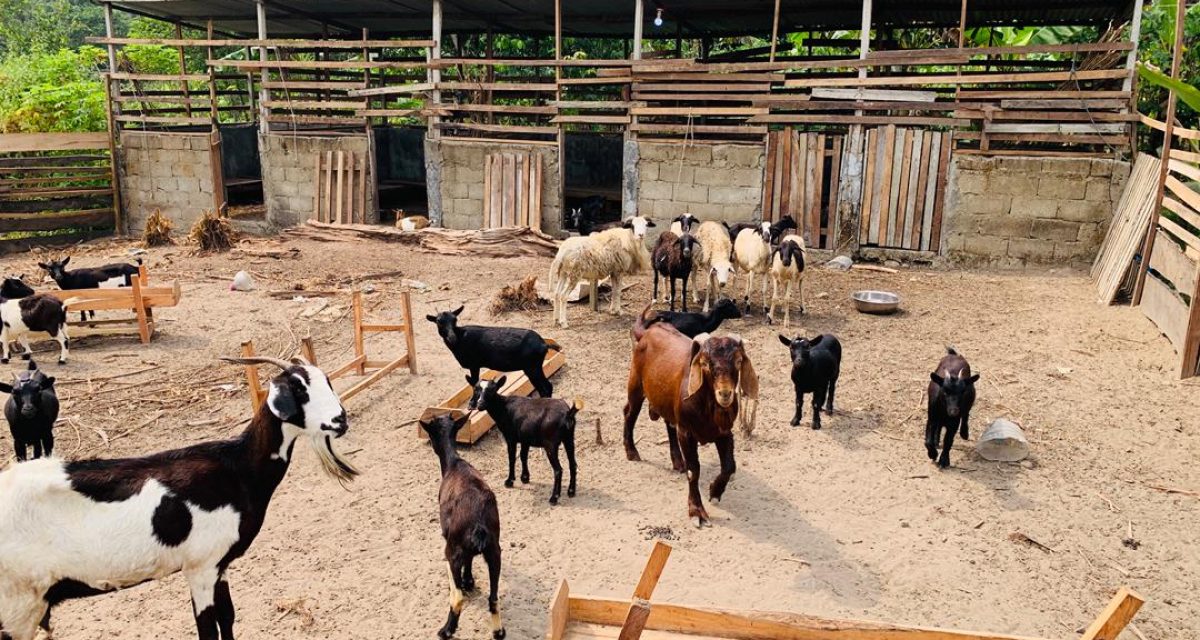
Since its legalization, HENOLA-CIG has been engaged in goat rearing using improved management practices. The group focuses on proper housing, feeding, disease prevention, controlled breeding, and basic record-keeping. Members regularly share experiences and knowledge aimed at improving productivity and animal health.
The long-term objective of HENOLA-CIG is to expand goat production, increase members’ incomes, create employment opportunities for youths and women, and contribute to food security and rural development in the Tiko Sub-Division. The group also seeks partnerships with government services, councils, NGOs, and development partners to strengthen its capacity and ensure sustainability.